One is that 15% of greenhouse emissions are from livestock [1].
The other is that apparently Beyond Meat results in 90% less greenhouse emissions compared to regular meat [2].
I'm not a vegetarian but this got me thinking, logically why aren't governments subsidizing stuff like Beyond Meat/Impossible similar to how electric cars are being subsidized via rebates?
Is it just not worth it/too small of a gain compared to other climate change contributing factors?
[1] https://www.reuters.com/article/us-global-livestock-emissions/fighting-global-warming-one-cow-belch-at-a-time-idUSKBN1K91CU
[2] https://www.beyondmeat.com/mission/
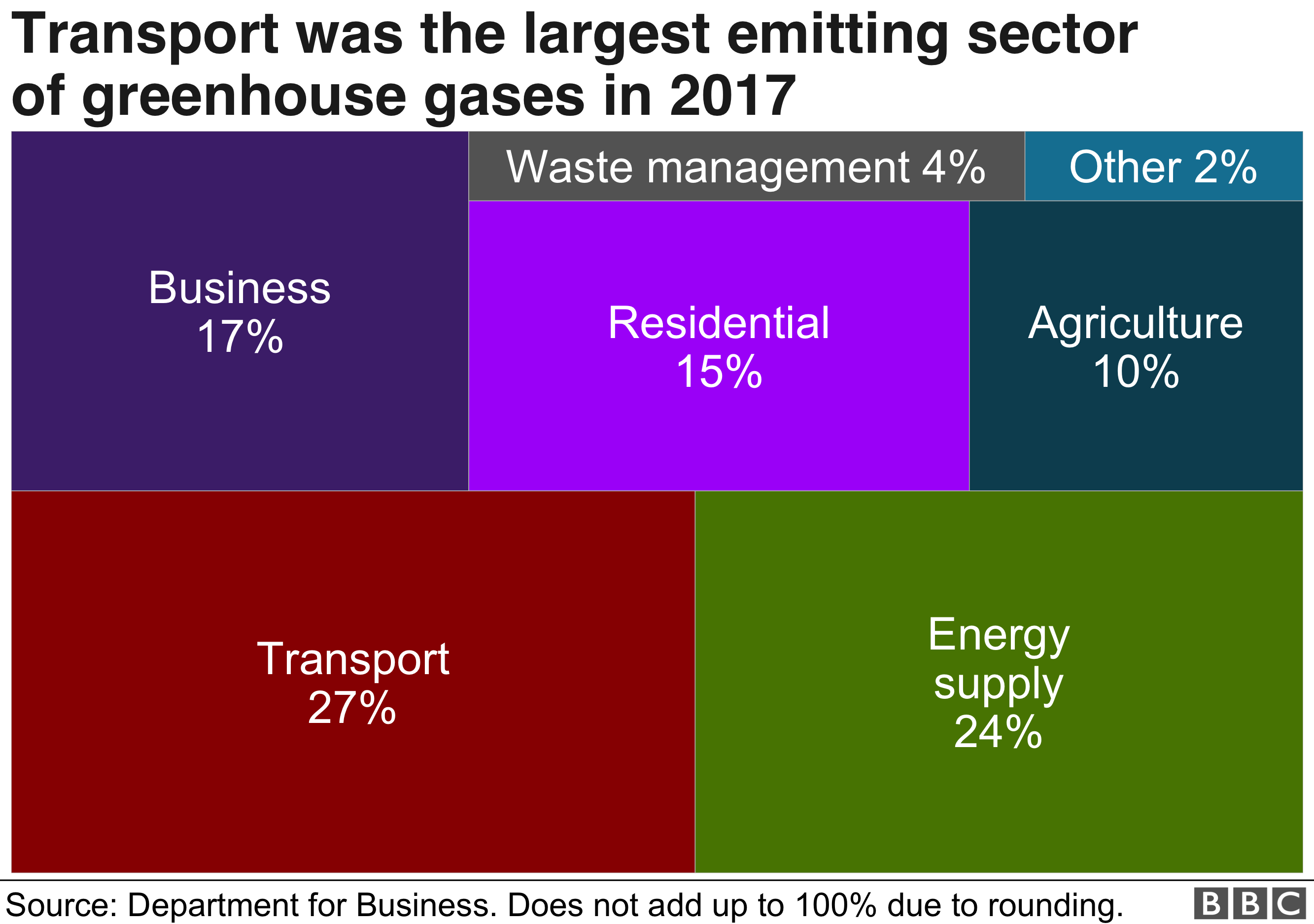
That's 18% of food related emissions, or 8% out of the estimate 5 tonnes of total emissions per person in the UK.[1] Another estimate says that in 2017, all of agriculture was responsible for 10% of emissions.[2]
My conclusion is that some governments are implementing policies that limit the climate impact of meat and dairy production, but subsidizing alternatives to meat can only reduce demand for it so much, and there are probably more cost-effective things to subsidize. I don't know what the figures are for those other approaches, though.
[0] https://www.carbonindependent.org/18.html
[1] https://ourworldindata.org/co2/country/united-kingdom
[2] https://ichef.bbci.co.uk/news/976/cpsprodpb/0742/production/...
Anything that can be viewed as stealing jobs or revenue from farmers and giving it to big tech is politically unviable at least in the USA.